ON-AIR SEGMENT: New York State DEC figures talk hunting safety
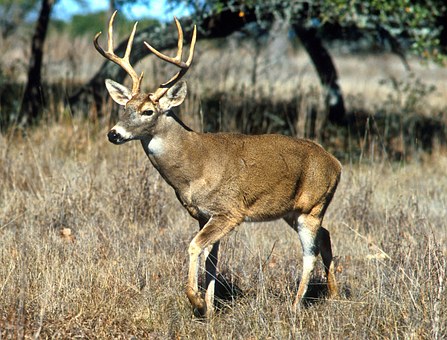
On Friday, October 16, 2026, New York State DEC figures Brendan Quirion and Tim Pyszczynski joined North Country News and discussed hunting safety.
Muzzle-loader Season opens Saturday, October 17 for New York's Northern Zone, while Rifle Season will open next Saturday, October 24.
Be sure to listen to our latest on-air segment for more details (audio is courtesy via an episode of 'DEC Does What?!' Podcast):
Here are some important hunter safety tips to keep in mind:
- Treat every firearm as if it is loaded.
- Always keep the muzzle pointed in a safe direction.
- Keep your finger off the trigger, and outside the trigger guard, until you are ready to shoot.
- Always be sure of your target and what is in front of it and behind it. Once you pull the trigger, you cannot take back the bullet!
Any person hunting Deer or Bear with a firearm or a person who is accompanying someone hunting deer or bear with a firearm MUST wear a minimum of 250 square inches of solid fluorescent orange or fluorescent pink material worn above the waist and visible from all directions; OR a minimum of 250 square inches of patterned fluorescent orange or fluorescent pink (the pattern must be at least 50% fluorescent orange or 50% fluorescent pink) worn above the waist and visible from all directions; OR a hat or cap with no less than 50% of the exterior consisting of solid fluorescent orange or fluorescent pink material visible from all directions.
According to the DEC, Deer do not have red-sensitive cone cells in their eyes, and can't tell orange from green and brown.
Deer have different sensitivity to various wavelengths of light than humans.
Deer see short wavelength colors such as blue (and even ultra-violet, which humans cannot see) brighter than humans do. However, deer are less sensitive to longer wavelengths such as orange and pink, so these colors look darker to deer.
Every year, hunters are seriously injured, paralyzed, or killed falling out of tree stands. Falls from tree stands have become a major cause of hunting-related injuries and fatalities in New York.
Tree-stand safety tips:
- Read the manufacturer's instructions and warnings before you use your tree stand and check your stands (including straps and chains) every season. Replace any worn or missing parts.
- Use a full-body harness with a lifeline and stay connected from the time you leave the ground to the time you get back down.
- Be aware of suspension trauma. Be sure the harness has a foot strap to relieve harness leg pressure.
- Use a "lifeline" or safety rope that is secured at the base of the tree or stand and to the tree just above your head when sitting in the stand. Attach the tether from your full-body harness to the lifeline using a carabiner and prusik knot, which easily slides up and down the lifeline, keeping you connected at all times.
- Once you are safely in your stand, and your tether is attached to the tree, raise your equipment into your stand. Always use a haul line, such as a strong rope, to raise and lower your unloaded gun or cocked crossbow or bow with quiver up the stand. Do not tie the haul line around the trigger or trigger guard on a firearm.
- Raise a firearm with the muzzle pointing down.
- Let a reliable person know where you will be hunting and when you will return. A map showing your stand location makes it easier for others to find you if you do not return on time.
- Carry emergency equipment, such as a knife, cell phone, flashlight, and whistle in your pockets at all times (not in your pack hanging in the tree).
NYS DEC image.
